Finding reliable vinyl siding installers near you is the quickest way to boost curb appeal, improve energy efficiency, and protect your home from the elements, all without breaking the bank. Homeowners who search for “vinyl siding installers near me” are typically looking for a trusted professional who can handle everything from material selection to final trim work, and who can guarantee a smooth, warranty‑backed installation. If you’re ready to start, the first step is to compare local contractors, verify their credentials, and understand the total cost of a vinyl siding project—information you’ll also find in our Find the Best “Siding Near Me” in 2026 guide.
Why Vinyl Siding Remains a Top Choice in 2026
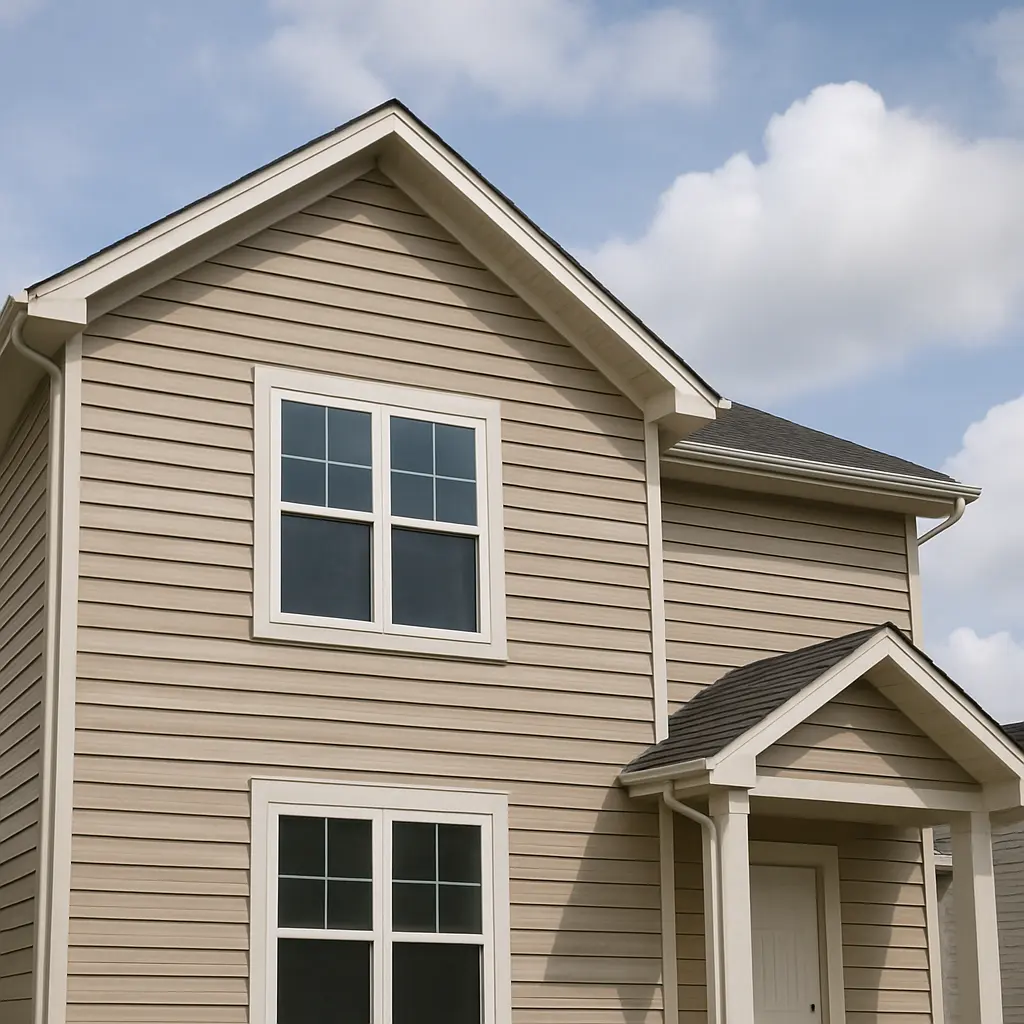
Vinyl siding has held its position as the most popular exterior cladding material for decades, and 2026 is no exception. According to the National Association of Home Builders (NAHB) 2025 report, over 60 % of new single‑family homes in the United States used vinyl siding because it offers a blend of durability, low maintenance, and affordability. Modern formulations now include UV‑resistant pigments and reinforced cores, reducing warping and fading even in harsh climates.
Key Benefits
- Cost‑effective: The average vinyl siding cost in 2026 ranges from $2.50 to $5.00 per square foot, including materials and labor, making it cheaper than fiber‑cement or engineered wood options.
- Energy efficiency: Insulated vinyl panels can lower heating bills by up to 12 % in colder regions, as noted by the U.S. Department of Energy’s 2025 Energy Saver guide.
- Low maintenance: A simple annual wash removes dirt and mildew; no painting is required.
- Design flexibility: Available in over 400 colors and a variety of textures, vinyl can mimic wood clapboard, shingle, or even stucco.
What to Look for in a Vinyl Siding Installer
Choosing the right professional is as important as picking the right product. Here are the essential criteria to evaluate when you search for “vinyl siding installers near me.”
Table of Contents
- Why Vinyl Siding Remains a Top Choice in 2026
- Key Benefits
- What to Look for in a Vinyl Siding Installer
- Licensing, Insurance, and Certifications
- Local Experience and References
- Transparent Pricing and Detailed Estimates
- Step‑by‑Step Vinyl Siding Installation Process
- 1. Pre‑Installation Consultation and Site Assessment
- 2. Material Selection and Ordering
- 3. Preparation and Removal
- 4. Installation of New Siding
- 5. Quality Inspection and Cleanup
- Common Mistakes Homeowners Should Avoid
- Skipping the Weather Barrier
- Choosing the Cheapest Material
- Ignoring Warranty Terms
- Real‑World Case Study: A Suburban Home Upgrade
- How to Find the Best Vinyl Siding Installers Near You
- Step 1: Compile a Shortlist
- Step 2: Verify Credentials
- Step 3: Request Detailed Estimates
- Step 4: Check References and Portfolio
- Step 5: Review Warranty and Maintenance Plans
- FAQs About Vinyl Siding Installers
- What is the typical timeline for a vinyl siding project?
- Do I need to obtain a permit?
- Can vinyl siding be installed over existing wood clapboard?
- How long does vinyl siding last?
- Is insulated vinyl siding worth the extra expense?
- Future Trends: What’s Next for Vinyl Siding?
Licensing, Insurance, and Certifications
All reputable installers should hold a valid state contractor’s license and carry general liability insurance. Look for certifications from the Vinyl Siding Institute (VSI) or the National Association of the Remodeling Industry (NARI). These credentials demonstrate that the crew follows industry‑approved installation standards, which can protect you from future warranty disputes.
Local Experience and References
Homeowners benefit from hiring contractors who know the local climate and building codes. A contractor who has completed projects in your neighborhood can anticipate issues like high humidity or coastal salt exposure. Request at least three recent references and ask about the exterior home renovation process, timeline adherence, and post‑installation support.
Transparent Pricing and Detailed Estimates
A trustworthy installer provides a line‑item breakdown that includes:
- Material cost (including trims and accessories)
- Labor rates per square foot
- Removal of existing siding (if applicable)
- Permitting fees and disposal charges
Beware of “all‑inclusive” quotes that lack specifics; they often hide extra fees that surface later. For a deeper dive into cost factors, see our Home Siding Guide 2026.
Step‑by‑Step Vinyl Siding Installation Process
Understanding the vinyl siding installation process helps you gauge progress and spot potential red flags. Below is the typical workflow most professional siding contractors follow:
1. Pre‑Installation Consultation and Site Assessment
The installer visits your home, measures the exterior, checks for moisture intrusion, and discusses design preferences. They will also verify that the existing sheathing and weather barrier are sound, which is crucial for long‑term performance.
2. Material Selection and Ordering
Based on the consultation, you’ll choose the profile (e.g., lap, vertical, or shingle), color, and whether you want insulated panels. Many installers partner with manufacturers like CertainTeed or Ply Gem, ensuring you receive high‑grade products that meet ENERGY STAR standards.
3. Preparation and Removal
If your home already has siding, the contractor carefully removes it, disposes of debris, and inspects the underlying structure. In cases where old siding is in good condition, they may install a new weather‑resistant barrier over it to save time and money.
4. Installation of New Siding
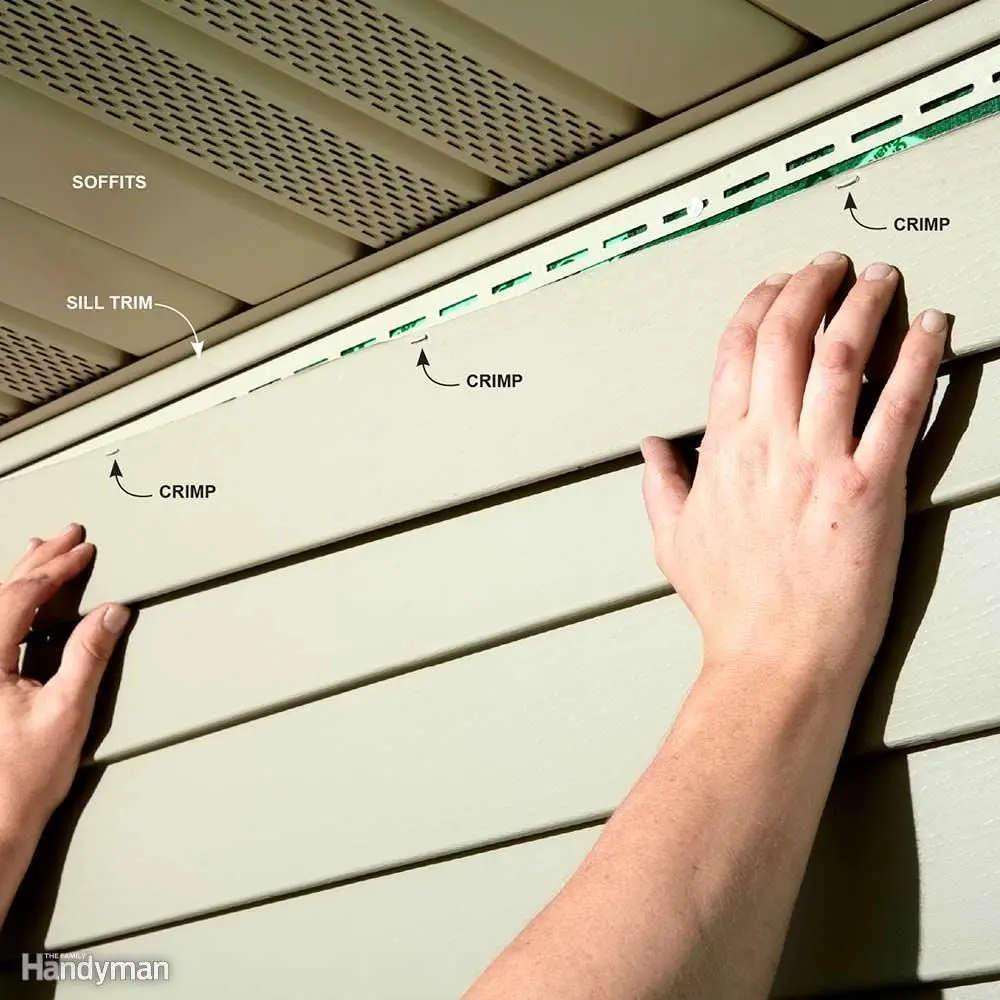
Starting at the bottom, the crew attaches the first course using corrosion‑resistant nails, leaving a small expansion gap to accommodate temperature changes. Each subsequent row is staggered to create a tight seal, and trim pieces are fitted around windows, doors, and corners.
5. Quality Inspection and Cleanup
After installation, the contractor conducts a final walkthrough, checking for proper alignment, secure fasteners, and consistent caulking. They also clean the worksite, leaving your property ready for a fresh coat of paint (if you choose a painted vinyl option).
Common Mistakes Homeowners Should Avoid
Even with a seasoned installer, some pitfalls arise from homeowner decisions:
Skipping the Weather Barrier
Leaving out a proper house wrap can lead to moisture buildup behind the siding, causing mold and rot. Always insist on a high‑quality, breathable barrier such as Tyvek®.
Choosing the Cheapest Material
Low‑priced vinyl may lack UV inhibitors, leading to premature fading. Investing in premium profiles with reinforced cores pays off in durability and resale value.
Ignoring Warranty Terms
Most manufacturers require that installation be performed by a certified contractor for the warranty to remain valid. DIY installations or using an unqualified crew can void coverage.
Real‑World Case Study: A Suburban Home Upgrade
In March 2026, the Johnson family in Dayton, Ohio, hired a local siding company after a severe winter caused peeling paint and water stains on their brick veneer. They opted for insulated vinyl siding to improve energy efficiency. The contractor conducted a thorough site assessment, recommended removal of the damaged brick, and installed a Tyvek® house wrap before applying the new siding.
Outcome: The home’s heating bill dropped by 10 % during the following winter, and the Johnsons reported no maintenance issues after a year. Their experience mirrors findings from a HomeAdvisor 2025 survey, where 78 % of homeowners who upgraded to insulated vinyl siding saw measurable utility savings.
How to Find the Best Vinyl Siding Installers Near You
Here’s a concise action plan that translates the research above into results you can implement this weekend.
Step 1: Compile a Shortlist
Search “vinyl siding installers near me” on Google and note the top‑ranked contractors. Cross‑reference each name with the Find Reliable Siding Installers Near Me in 2026 article, which highlights vetted firms based on reviews, licensing, and insurance verification.
Step 2: Verify Credentials
Visit each company’s website, locate their license number, and confirm it through your state’s contractor licensing board. Check for VSI or NARI certifications.
Step 3: Request Detailed Estimates
Contact at least three installers, provide them with your home’s square footage, and ask for a written quote that breaks down material, labor, and additional fees. Compare the total cost per square foot, but also assess the quality of materials recommended.
Step 4: Check References and Portfolio
Ask for before‑and‑after photos of recent vinyl siding projects. Speak with at least two past clients to gauge satisfaction with timeliness and workmanship.
Step 5: Review Warranty and Maintenance Plans
Choose a contractor that offers a manufacturer‑backed warranty (typically 20–30 years) plus a workmanship guarantee. Some installers also provide annual maintenance packages, which can extend the siding’s lifespan.
FAQs About Vinyl Siding Installers
What is the typical timeline for a vinyl siding project?
For an average 2,000‑square‑foot home, installation usually takes 5–7 business days, including removal of old siding and final inspection. Weather conditions can affect the schedule, especially in regions with high humidity.
Do I need to obtain a permit?
Most municipalities require a building permit for exterior siding replacement. A reputable installer will handle the permit application on your behalf.
Can vinyl siding be installed over existing wood clapboard?
Yes, provided the existing wood is in good condition and a proper house wrap is installed. This method can reduce labor costs by up to 15 %.
How long does vinyl siding last?
High‑quality vinyl siding typically lasts 30–40 years when installed correctly and maintained with annual cleaning.
Is insulated vinyl siding worth the extra expense?
Insulated panels add R‑value to your exterior envelope, which can lower heating and cooling costs. The 2025 Home Energy Rating System (HERS) data shows an average energy savings of 8–12 % for homes with insulated vinyl.
Future Trends: What’s Next for Vinyl Siding?
Looking ahead to 2027, manufacturers are introducing recycled‑content vinyl and smart‑coating technologies that self‑repair minor scratches. These innovations promise to keep vinyl siding at the forefront of sustainable home improvement. As the market evolves, staying informed about new materials and installation standards will help you maintain a competitive edge in home resale value.
By following the steps outlined above and partnering with a certified, experienced contractor, you can enjoy a seamless transformation that adds beauty, durability, and energy savings to your home. Start your search today, request those estimates, and prepare to see your property’s curb appeal soar.
For a broader look at exterior cladding options, explore our Metal Siding 2026 guide and the comprehensive Board and Batten Siding 2026 guide.
